
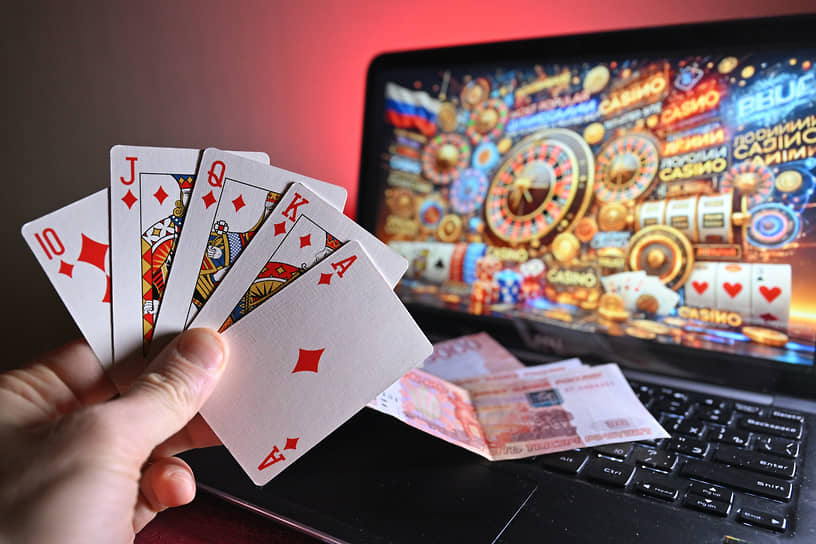
The color rouge, often associated with passion, power, and romance, has played a significant role in art, culture, and psychology throughout history. From the captivating allure of a red dress to the bold strokes of rouge paint on a canvas, this vivid hue transcends mere aesthetics. It has the power to evoke emotions, influence decisions, and even define cultural identities. For those looking to immerse themselves in the passionate world of color, Rouge https://casino-rouge.com/ provides a captivating experience, marrying the excitement of gaming with the depth of this vibrant color.
The Historical Significance of Rouge
The history of the color rouge is as rich and layered as the hue itself. In ancient civilizations, red was often associated with blood and life, symbolizing vitality and strength. The Egyptians utilized red pigments derived from natural minerals for their art, signifying power in depictions of gods and pharaohs. In the context of ancient Rome, red was a color of status, used by military commanders and emperors. This historical backdrop sets the stage for the modern interpretation of rouge as a symbol of boldness and desire.
Rouge in Art and Literature
Throughout history, artists have employed the color rouge to convey emotion and provoke thought. From the fiery works of Expressionist painters to the soft, romantic landscapes of the Impressionists, this color has a unique ability to capture the viewer’s attention. Renowned artist Henri Matisse famously used red to create strong contrasts and invoke emotions, showcasing how this color can dominate a canvas and engage an audience.
In literature, the symbolism of rouge is equally potent. Classic romantic novels often utilize the color to denote love and passion. From the red rose as a timeless symbol of love to the descriptions of crimson sunsets that evoke desire and longing, the literary world uses rouge to explore the complexities of the human experience. The interplay of light and dark in descriptions of this color enhances the narrative’s emotional depth, drawing readers into a vivid world of sensations.
The Psychology of Rouge
From a psychological perspective, rouge has been shown to have profound effects on human emotions and behaviors. Studies reveal that the color red can increase heart rates and stimulate excitement. This is why it is often used in advertising to attract attention and provoke a sense of urgency. It is no wonder that red is a popular choice in marketing strategies, frequently employed by brands to evoke feelings of passion and urgency in consumers.
Additionally, the color rouge has been linked to increased confidence and assertiveness. Wearing red is often seen as a statement of boldness, making it a popular choice for those who wish to stand out in a crowd. Whether through clothing or accessories, adopting the color rouge can empower individuals to express their true selves and navigate social situations with increased self-assurance.
Rouge in Fashion

The fashion industry has long embraced the color rouge, recognizing its power to captivate and command attention. Designers often incorporate this hue into their collections to evoke a sense of luxury and sophistication. Iconic pieces, such as the classic little red dress, have become staples in many wardrobes, embodying the timeless allure of this color.
Runway shows often showcase bold red garments, demonstrating how the color can transition between seasons and styles. It serves as a versatile option, appearing in both casual and high-fashion settings. Furthermore, the association of red with glamour and seduction has solidified its place in the fashion world, making it a color synonymous with high-profile events and striking appearances.
Rouge in Culture
Across various cultures, the color rouge holds distinct meanings and significance. In Eastern cultures, for example, red symbolizes good fortune and joy, often used in celebrations and weddings. The contrast between Western associations of red with passion and Eastern interpretations as a symbol of happiness highlights the diverse interpretations of this color worldwide.
In indigenous cultures, the color red can symbolize various elements of nature and spirituality, often used in rituals and ceremonies. This cultural variances showcase how the significance of rouge transcends geographic boundaries, creating a rich tapestry of meanings associated with the color.
The Future of Rouge
As society continues to evolve, so too does the interpretation and use of the color rouge. In the modern landscape, where individual expression and personalization reign supreme, the color is likely to manifest in novel and unexpected ways. Designers are experimenting with shades of rouge, creating unique palettes that reflect contemporary values and aesthetics.
Furthermore, as the conversation around mental health and emotional expression gains momentum, the psychological implications of colors, including rouge, will continue to be a topic of interest. Artists, writers, and creators will likely explore and redefine the associations we hold with this color, making it relevant to future generations.
Conclusion
The color rouge is far more than just a hue; it is a powerful symbol rich in history, emotion, and cultural significance. Its presence in art, fashion, and psychology illustrates its profound ability to impact the world around us. Whether through striking visuals, passionate storytelling, or bold statements in fashion, rouge continues to influence and inspire. In our exploration of this color, we uncover layers of meaning that remind us of our shared humanity, making rouge a timeless and universal symbol of creativity and expression.